Pika AI is for people with a specific visual problem, not just another empty timeline. These imagined briefs turn Pika Labs curiosity and Pika Art inspiration into practical creative decisions.
Pika AI for a Tiny Theatre With a Big Sky
A community theatre needs the night sky to change during a quiet scene. The projection operator starts Pika AI with a paper skyline and asks for one moonrise, leaving the lower frame dark for performers. Pika Labs references help the team discuss slow movement; Pika Art imagery helps define the handmade texture. With Pika AI, the useful test is whether the light distracts from the actors. Compare a fixed camera with a gentle drift, check the projection on the actual wall, and choose the calmer take. Pika AI supplies a visual experiment, not a replacement for rehearsal or lighting checks.
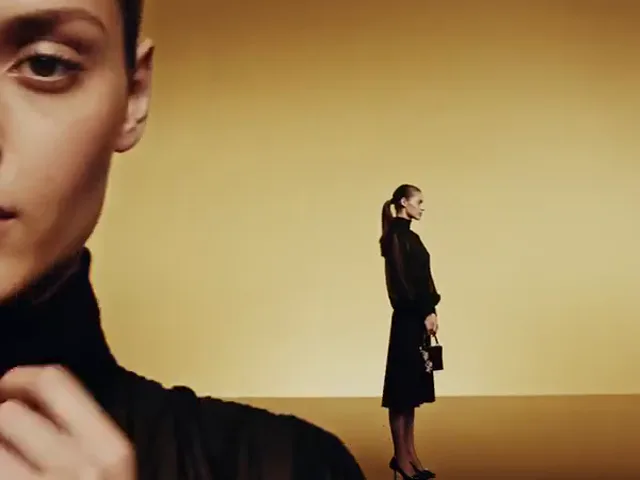
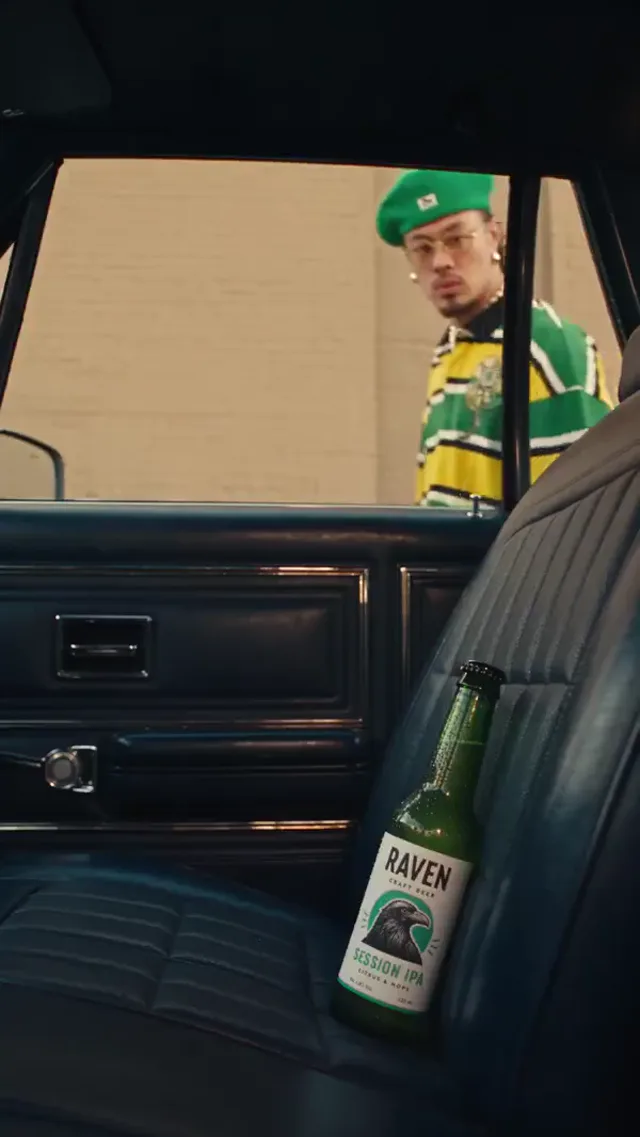
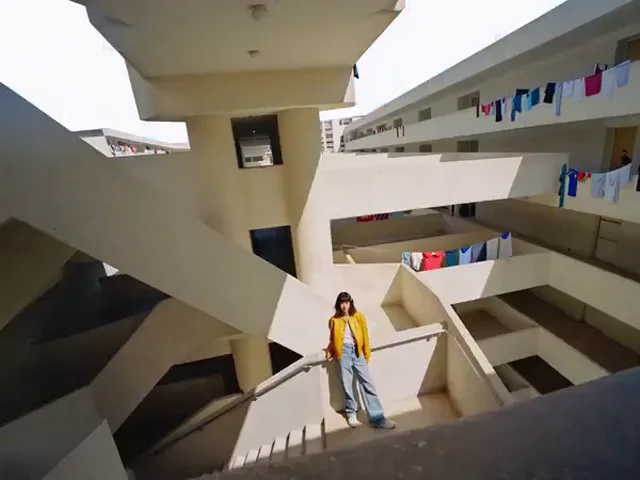
Studio slide: Layered copies of a fashion portrait slide across a clean studio background.
Let Pika AI Reveal a Board Game World
A tabletop designer has permission to animate an illustrated map for a crowdfunding page. In Pika AI, lanterns wake along one path while the map stays readable. Instead of another spinning product reveal, the designer tests whether viewers notice the route. Pika Art references establish the miniature atmosphere; Pika Labs searches provide ideas for restrained motion. The first Pika AI take bends a border, so the next brief reduces camera movement and simplifies the action. Keep rules, prices, and campaign promises outside the generated image. Pika AI helps introduce the fictional world; accurate gameplay still needs a clear explanation.
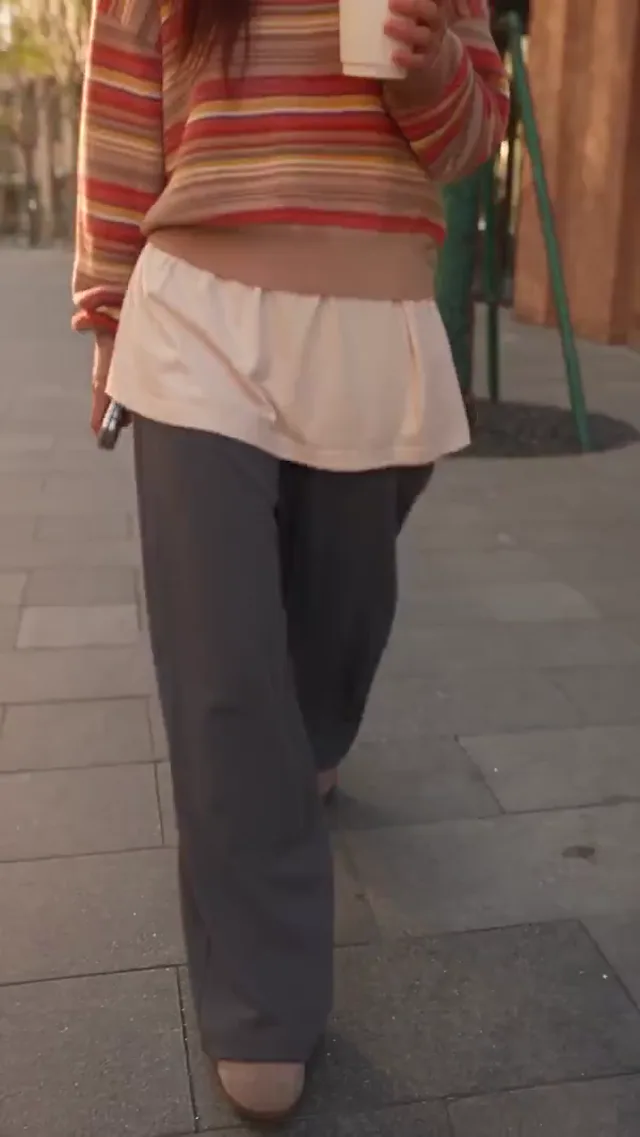
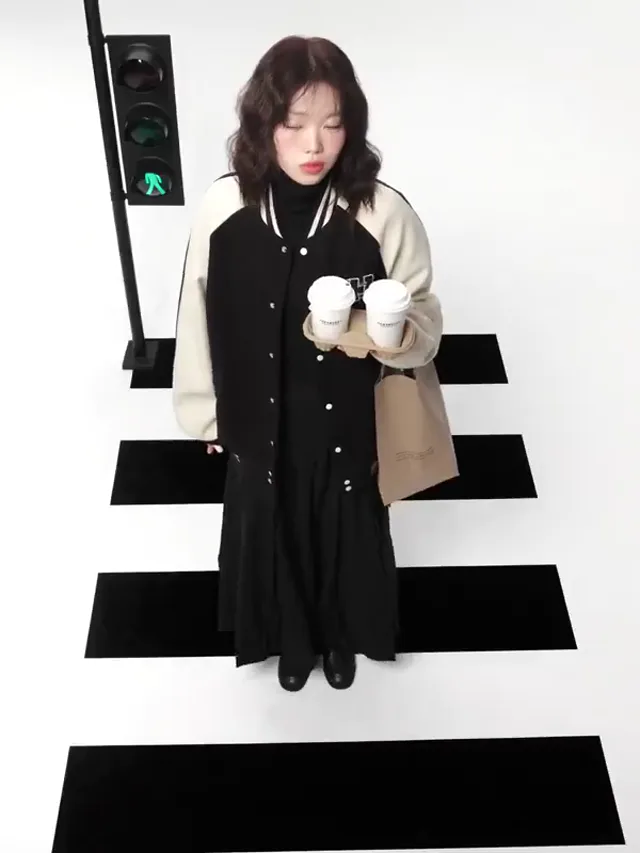
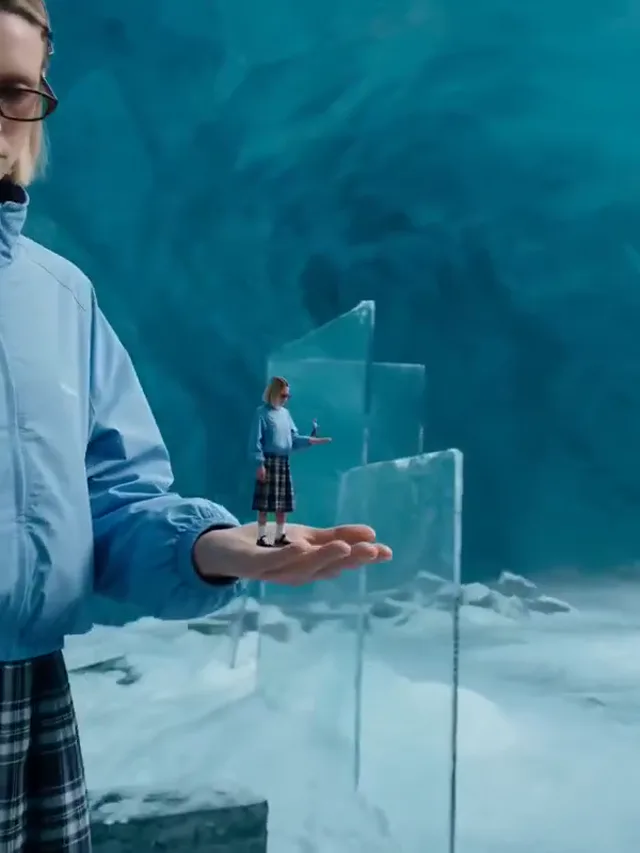
Floating fall: A person falls backward as a coffee cup and other belongings hang in midair.
Use Pika AI to Suggest an Archive Atmosphere
A local archive prepares an exhibition about a railway station that no longer exists. The curator uses Pika AI to explore fog beyond a platform illustration, not to invent footage and pass it off as a historical recording. Pika Labs examples suggest a locked camera, while Pika Art references guide the muted palette. Each Pika AI draft is checked against the exhibition brief and labeled as an imagined interpretation. Compare generated motion with a slow pan over the original still; the simpler option may serve the story better. Pika AI is helpful only when atmosphere adds something without confusing visitors about the evidence.
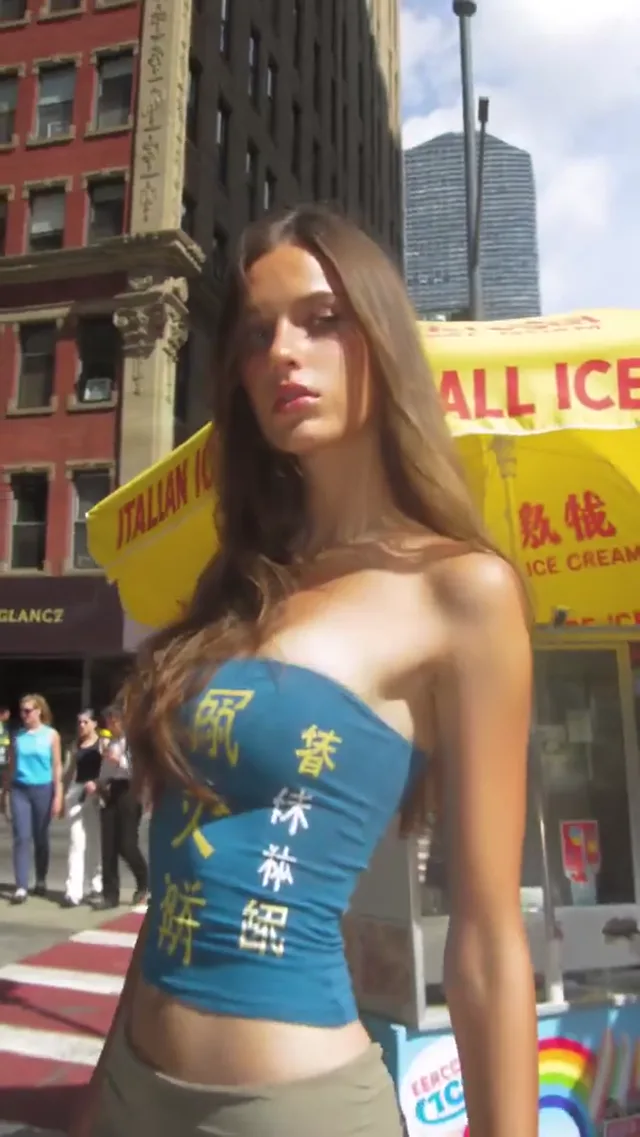
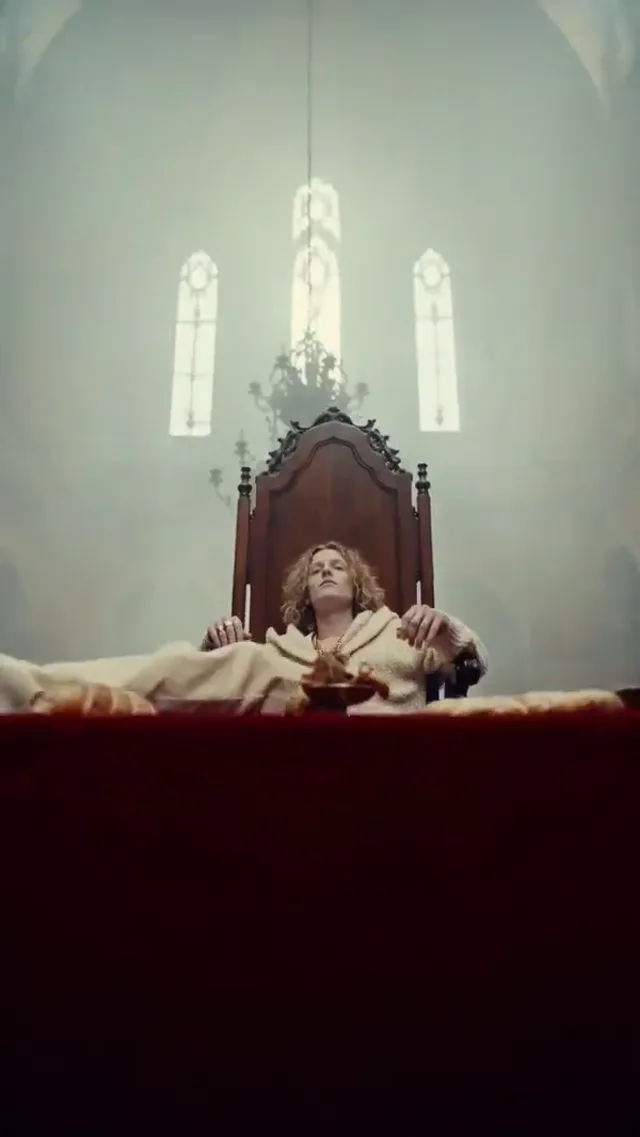
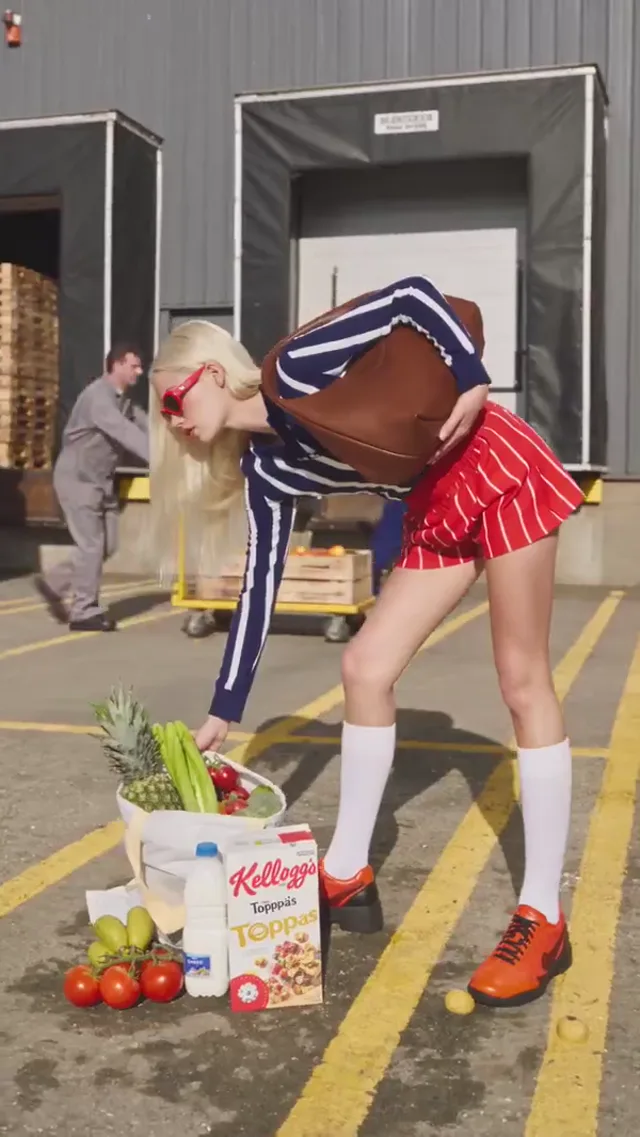
Cutout: Flat pieces of the scene peel away and return around a central figure.
Build a Pika AI Loop Around One Musical Mood
An independent band needs a quiet visual between songs, not a generic performance montage. A visual artist tries Pika AI with a silver ribbon moving through a dark paper tunnel. Pika Art imagery informs the texture; Pika Labs tutorials suggest separating subject movement from camera movement. The artist checks the Pika AI clip on the venue screen, watching for an abrupt ending or distracting flicker. Sound, timing, and the final loop are finished in an editor rather than assumed to synchronize automatically. Pika AI becomes a sketchbook for the atmosphere, while the band keeps control of the live experience.
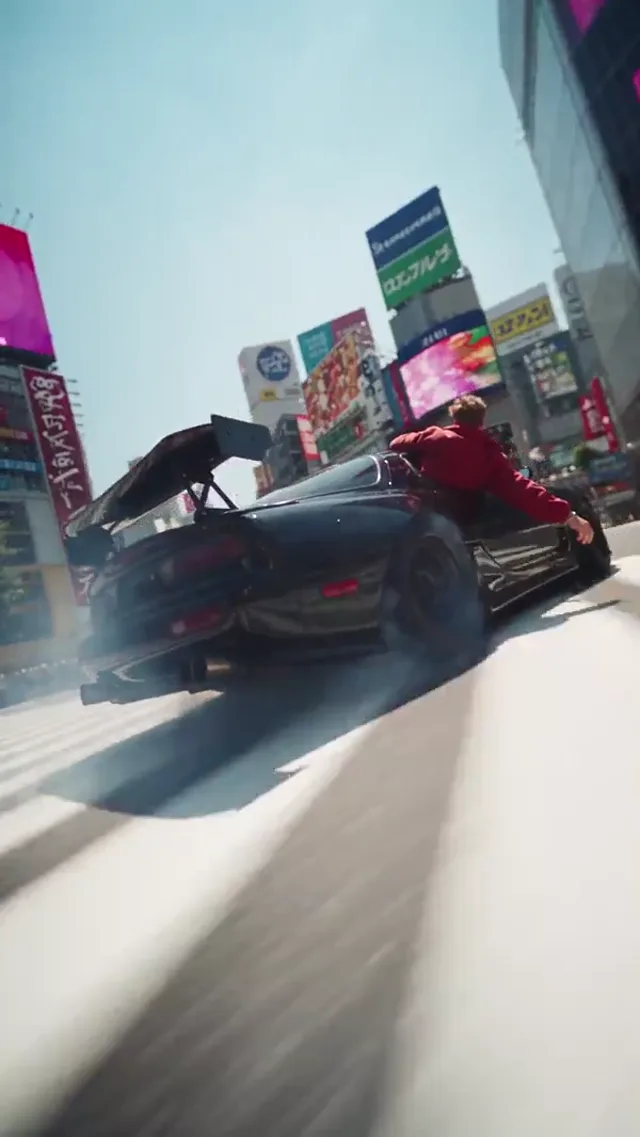
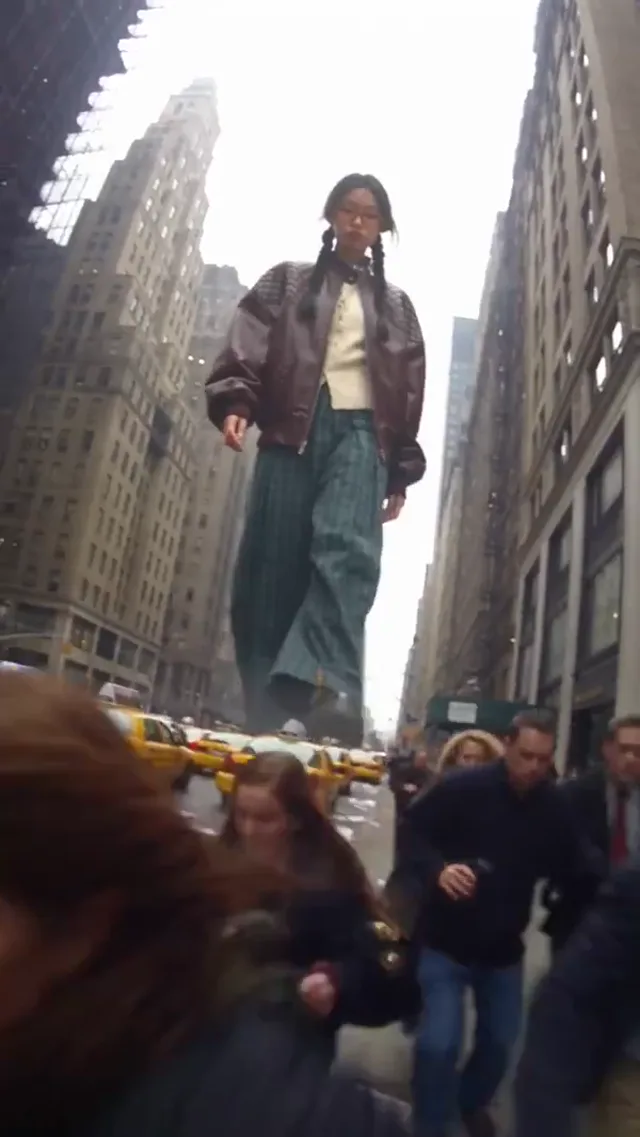
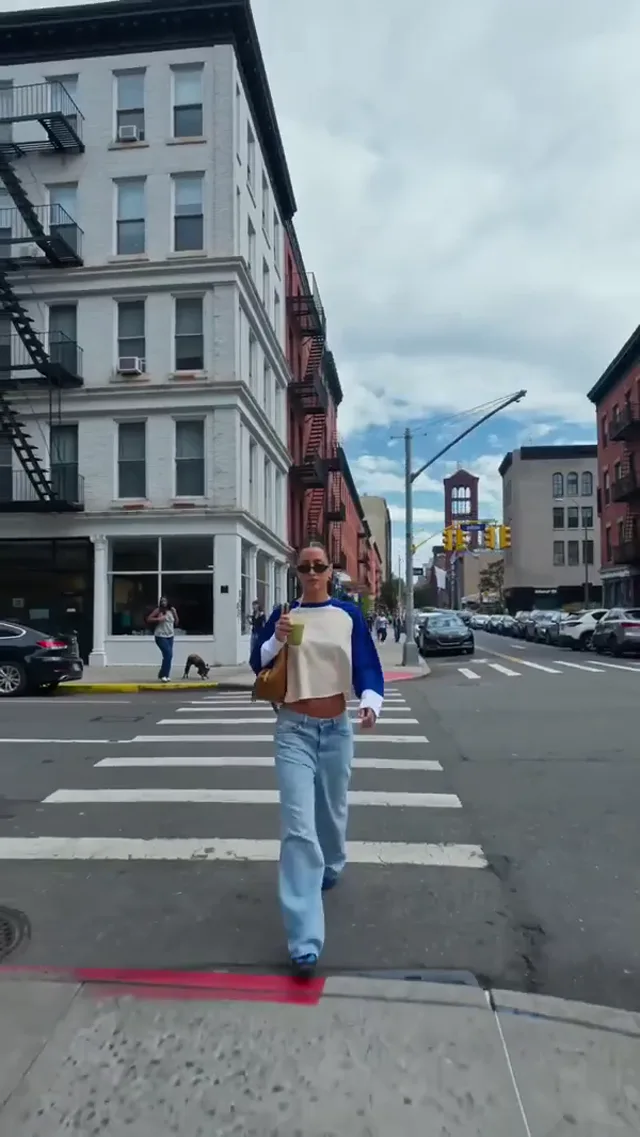
Wild ride: A sweeping camera follows a subject and a drifting car through a city street.
Find the Right Engine for Your Pika AI Shot
Choose by supported inputs and output controls. Pika Labs or Pika Art tutorials may show different tools; the selected menu here determines available options.
Gemini Omni 1.1 Flash
MiniMax H3
HappyHorse 1.1
Seedance 2.0
Seedance 2.0 Fast
Seedance 2.0 Mini
Seedance 2.5
Kling 3
Kling 3 Turbo
Kling O3
Kling 3 Motion Control
Kling Avatar
Qwen Image 3
Qwen Image 3 Pro
GPT Image 2
Nano Banana 2
Nano Banana Pro
Flux 2 Pro
Flux 2 Flex
Why Create With Pika AI?
Pika AI puts a focused shot brief before a complicated production. Whether Pika Labs sparked your curiosity or Pika Art led you here, start with the movement you actually need.
A curtain opens, a paper moon rises, or a shadow crosses the floor. Pika AI works best as an experiment with a clear beginning and ending, rather than a list of competing events. If a Pika Labs example inspires you, borrow its clarity instead of copying the whole scene. A useful Pika Art reference suggests atmosphere; your Pika AI prompt should still explain what visibly changes. Save a Pika AI version only when its action reads without explanation.
From Pika Art Reference to Pika AI Motion
Keep the composition you care about by starting Pika AI with a permitted image. Describe the movement separately: fabric sways while the camera stays still. Pika Art searches often begin with a striking picture; a readable action gives that picture a reason to become video. Compare Pika Labs guidance with the inputs shown here, then inspect your Pika AI result for altered shapes and drifting details. Keep a Pika AI reference sheet so revisions remain easy to compare.
Pika AI Workflows vs Pika Labs and Pika Art Examples
Use Pika AI text prompts when the scene is still an idea, image input when framing matters, and supported keyframes when an ending is planned. A Pika Labs workflow may name these controls differently. Match the actual input requirement, not the label. For a Pika Art inspired transition, compare the middle frames too: Pika AI should give you usable movement, not simply an attractive opening and final still.
Pika AI vs Stock vs Pika Art Stills
Test Pika AI against a stock clip or an edited still using the same brief. Stock suits a moment that already exists; a still suits information that needs no movement. Pika AI is worth testing when the imagined action is the point. Pika Labs and Pika Art search results can suggest possibilities, but judge your own output by readable motion, stable subjects, and the amount of finishing work.
Test Pika Labs Advice in Your Pika AI Brief
Choose one question before spending credits: does a slower camera move help, or does the reference need simpler lighting? Keep the other Pika AI settings unchanged so you can explain the difference. Pika Labs tips and Pika Art examples are starting points, not guarantees about cost or quality here. Check the displayed quote, review the whole clip, and save the instructions behind your strongest result. Record the Pika AI prompt, chosen format, and review notes together.
Finish With Your Own Judgment
Pika AI produces material to inspect, not automatic approval to publish. Check edges, faces, text, and any important object throughout playback. An impressive Pika Art image or Pika Labs demonstration cannot establish rights for your project. Use Pika AI alongside an editor for titles, timing, and licensed sound; keep factual claims separate from generated imagery and make the final creative decision yourself. Review the Pika AI draft with its intended audience context in mind.
Your First Pika AI Scene in Three Decisions
A clear brief is more useful than a longer prompt.
From Pika Labs searches and Pika Art references to your own finished scene: choose a workflow, understand the quote, and know what to review.
Is Pika AI on pikaai.art the Pika Labs or Pika Art service?
Pika AI is the name of this browser based video creation workspace. Begin with a written scene or a permitted image, inspect the controls for the selected model, and review the quote before generating. Pika Labs and Pika Art are related search terms, not proof that accounts or subscriptions are shared.
Pika AI vs Pika Labs vs Pika Art: what is the difference?
Pika AI names this website. Pika Labs is a name people encounter when researching the separate Pika creative ecosystem, while Pika Art is often a search spelling for pika.art. Check the exact domain before signing in. Similar names do not establish official affiliation, shared billing, or access to every feature. For Pika AI on this domain, use the account and offer shown here.
Who should use Pika AI for a creative brief?
Try Pika AI when a small moving scene helps you make a decision: a theatre projection, a tabletop world, an exhibition atmosphere, or a music visual. Pika Labs demonstrations and Pika Art images can inform your references, but the result should solve your specific brief rather than imitate somebody else. Give each Pika AI experiment a concrete review question.
Why use Pika AI instead of another stock clip?
Pika AI is useful to test a moment you cannot readily find in a library. Stock footage is often better when a real location, recognizable event, or accurate process is essential. Use Pika Labs or Pika Art inspiration to explore a direction, then compare the practical finishing work rather than assuming generation is always preferable.
Pika AI: text to video vs image to video vs keyframes?
Start Pika AI with text for exploration, an image for visual guidance, or supported keyframes for a planned transition. Pika Labs tutorials may show different controls from this workspace. A Pika Art reference does not guarantee an unchanged subject, so inspect the motion between the frames as carefully as the endpoints. Select your Pika AI workflow before preparing the files.
How do I adapt Pika Labs and Pika Art references into a Pika AI prompt?
Give Pika AI one visible action and a camera instruction: a paper moon rises above a miniature theatre while the camera remains fixed. Describe texture and light after the action. If a Pika Art image or Pika Labs tutorial inspires the brief, describe the relevant visual trait instead of pasting contradictory instructions.
Can Pika AI animate a drawing I already own?
Use a clear drawing you have permission to process, then ask Pika AI for restrained motion that suits its composition. Leave lettering and exact logos for the final edit. Pika Art references can help communicate texture, while Pika Labs examples can suggest camera language; neither guarantees that small details remain identical. Keep the first Pika AI movement modest enough to inspect.
How do I compare Pika AI takes with Pika Labs or Pika Art examples?
Keep the reference, prompt, and format constant in Pika AI, changing only one variable such as camera speed. Check whether the intended action reads, the subject stays recognizable, and the ending is usable. Pika Labs comparisons or Pika Art galleries are inspiration, not controlled evidence about your chosen settings.
How do I stop a Pika AI shot from feeling too busy?
Simplify the Pika AI brief to one subject, one movement, and one camera decision. Remove scene changes that compete for attention. A dramatic Pika Labs demonstration or detailed Pika Art image may contain more visual information than your small frame needs. Review the simpler version before adding another instruction. A quieter Pika AI shot is often easier to judge.
Will Pika AI preserve faces, lettering, and object shapes?
Pika AI cannot promise unchanged identity or exact lettering throughout a generated clip. Inspect important details at the beginning, middle, and end, especially on a larger screen. Pika Art reference quality and Pika Labs prompting advice may help you plan a test, but neither removes the need for visual review. Approve a Pika AI take only after watching it fully.
Can I use Pika AI for an archival exhibition?
Pika AI can explore an atmosphere around an illustration when you have permission to use it. Keep original records separate, identify synthetic interpretations, and check dates or claims independently. An attractive result is not documentary evidence. Choose a still image instead whenever motion might give visitors the wrong impression. Preserve the distinction between Pika AI illustration and historical evidence.
Can Pika AI create a seamless music visual?
Try Pika AI for a short movement with similar opening and closing compositions, then inspect the join in an editor. Do not assume seamless looping or automatic synchronization. Add licensed music and adjust the timing yourself; check the final sequence for abrupt changes, flashing imagery, or distracting movement before showing it publicly. Finish and preview the Pika AI sequence at venue scale.
Do Pika Labs and Pika Art prices apply to Pika AI?
The Pika AI quote depends on the selected model, duration, resolution, and available options. Review it alongside your account balance before submitting. Prices or allowances described in Pika Labs discussions or Pika Art search results may belong to a different service and should not be used to budget a task here.
Do Pika Labs or Pika Art trials include Pika AI credits?
Check the current Pika AI account offer and displayed quote. Sign in and credits may be required; this page does not promise unlimited free rendering. A free trial mentioned in Pika Labs material or a Pika Art listing does not automatically apply to this domain. Review the actual offer before starting.
Do Pika Labs and Pika Art tutorials match Pika AI settings?
Select a model in Pika AI to see its supported ratios, resolutions, durations, and audio options. Controls can change with the workflow. A Pika Labs walkthrough or Pika Art example may use a different engine, so match the interface you actually have rather than assuming every shown setting is available. Read the current Pika AI controls before uploading references.
What happens after I submit a Pika AI task?
Follow the task status in Pika AI and check My Videos for completed clips. Processing time varies with the selected settings and queue conditions. If progress appears stalled, check the existing task before creating another. Keep its identifier and a non sensitive error message when asking the team for help. Download an approved Pika AI result for your own records.
Can I turn Pika AI clips into paid client work?
Check the current service and model terms before using Pika AI commercially. Obtain permissions for input artwork, likenesses, trademarks, and music, then review the delivered result. A Pika Labs plan description or Pika Art example cannot establish rights for a separate purchase. Agree with your client on approval and synthetic media disclosure.
Does Pika AI replace a timeline editor?
Pika AI helps explore individual scenes, while an editor handles precise assembly, captions, transitions, and final sound. A Pika Art mood reference and Pika Labs tutorial can guide the experiment, but they are not a complete production plan. Keep your approved assets organized and export for the actual destination. Treat a Pika AI clip as one asset in the edit.
Can I use Pika AI from a phone?
Open Pika AI in a suitable mobile browser and follow the selected workflow requirements. A desktop screen is often easier for inspecting faces, lettering, and frame edges. Preview the final clip on the audience device too, because a detail that looks clear on a monitor may disappear in a smaller format. Choose the Pika AI take that reads on that smaller screen.
What should I check before sharing a Pika AI scene?
Watch the full Pika AI clip, verify important claims, confirm permissions, and add accessible captions where useful. Identify synthetic material when the context calls for it. Treat Pika Art images and Pika Labs examples as references rather than endorsements; your final edit should stand on its own creative and factual merits.
What Will You Set in Motion?
Bring one clear idea to Pika AI. Make a small test, watch it closely, and keep the version worth developing.